Every IC navigates their company blind.
Oath fixes that.
A 30-minute daily voice session with each employee, anchored to their calendar, that builds a queryable, current, full-fidelity record of what your company is actually doing. Powering both a private personal intelligence graph for the individual and a sanitised organisational graph anyone in the company can ask.
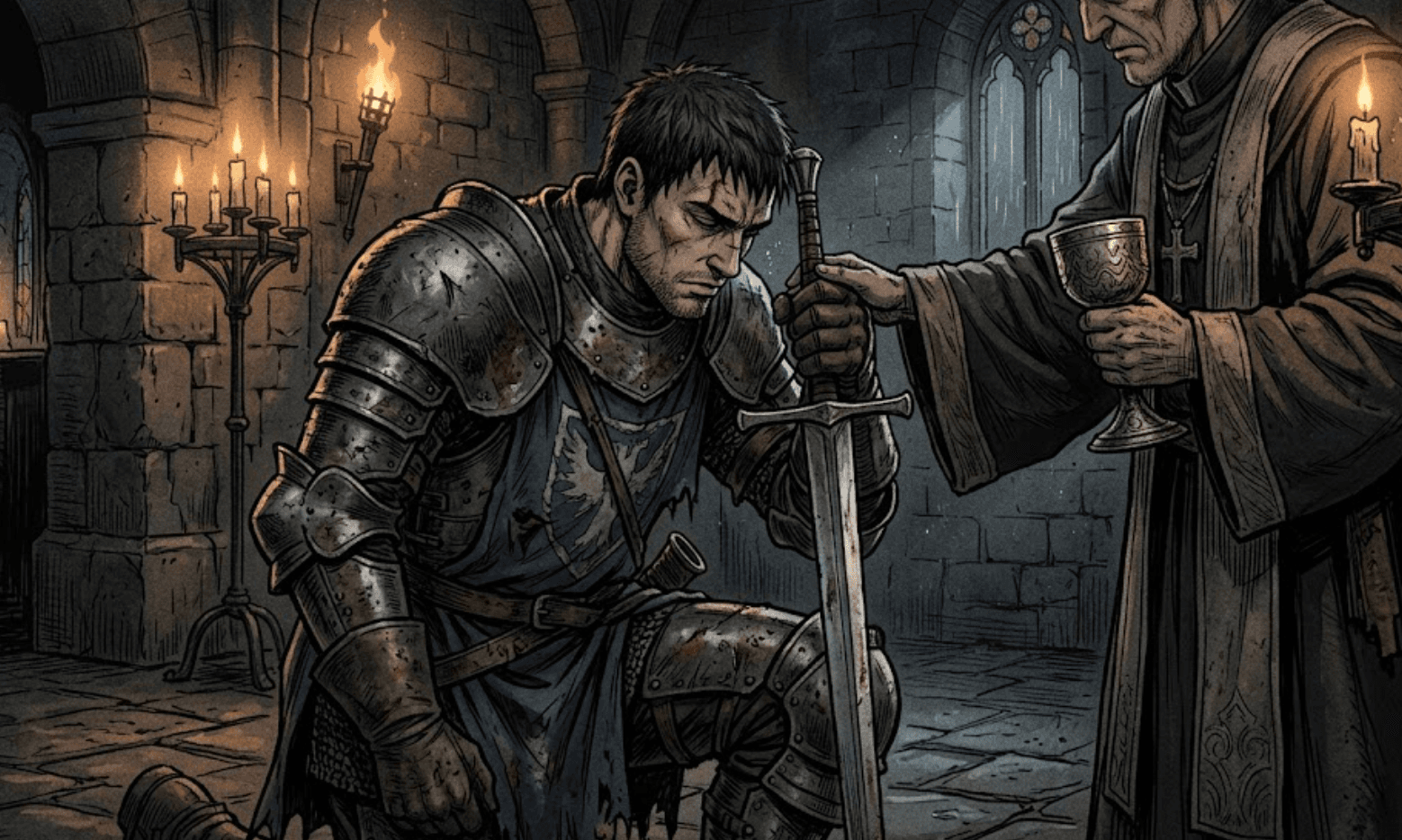
Inside a company, the people doing the work know the least about it.
An IC joining a project mid-stream has no reliable way to understand its history. A developer about to build a feature can't see if another team is already building it. An employee trying to understand a strategic shift has no way to surface the decision trail.
None of this is solved by OKR tools, Notion wikis, or Confluence pages — they're always out of date and incomplete. This isn't a management problem. It's an information architecture problem, felt most acutely by the people inside the company trying to do good work.
A 30-minute structured interview, anchored to your calendar.
Oath enters every session already knowing your schedule. It walks slot by slot and probes for what the calendar can't know: what was decided, what shipped, what blocked you, what felt repetitive.
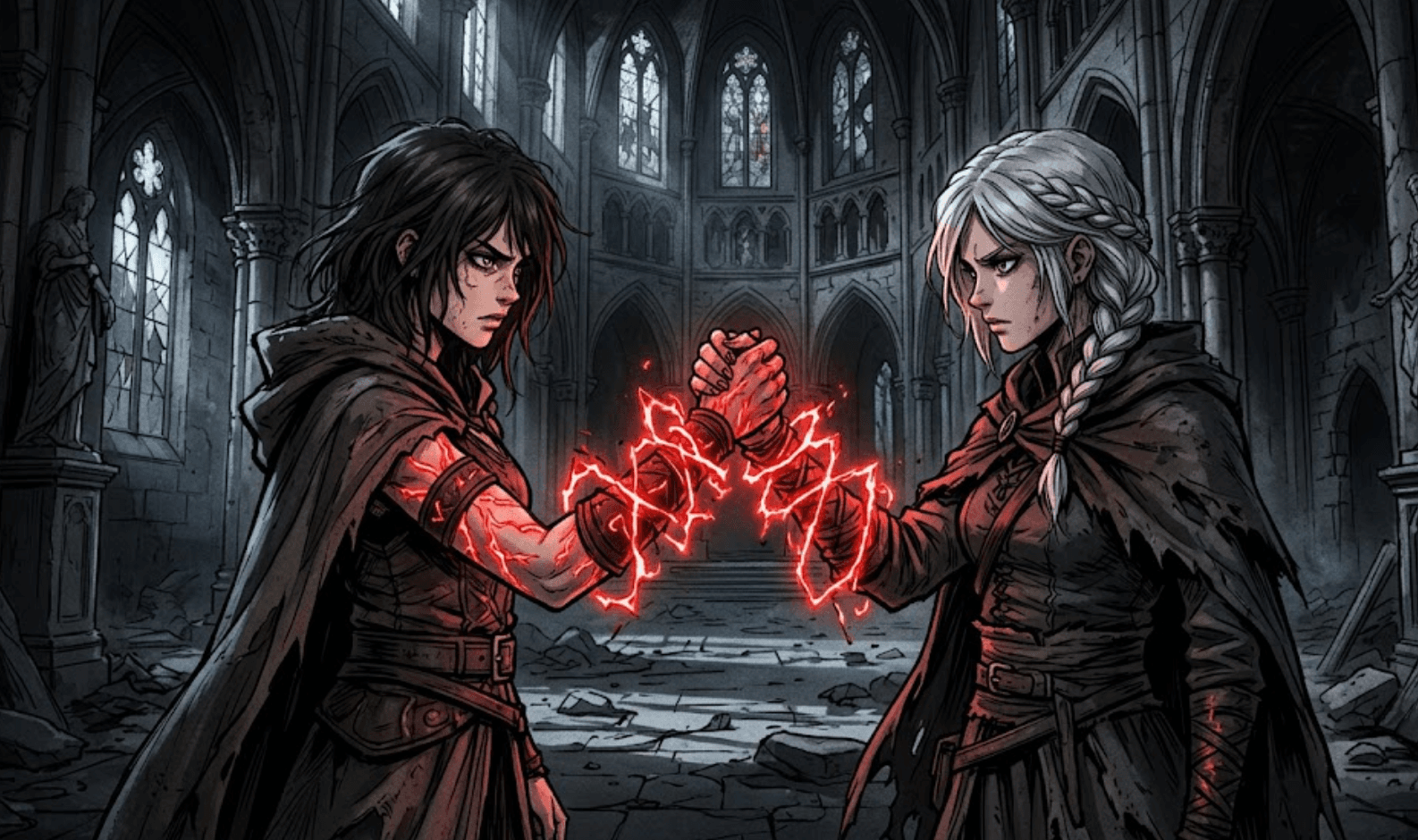
Every meeting becomes a probe. Every free block becomes a question.
Vague answers get sharpened by a deeper reasoning model in real time.
Real work fills 30 minutes. Empty days surface themselves, no interrogation required.
The personal intelligence graph nobody has time to maintain — maintained for you.
Every session feeds a private, full-fidelity knowledge graph of your work. Yours alone. No manager, peer, or executive can query it.
Personal recall
“What did I decide about the contractor budget in April?” “What was the outcome of the Spartacus kick-off?” “What have I shipped in the last 30 days?” Always answerable.
Upward management update
At the end of each session, a strategically framed summary for your manager. You review it, edit it, click send. You retain full control of the narrative.
Tomorrow's plan
The following morning, a priority list built from where you left off — unresolved threads, upcoming calendar, OKR alignment.
Personal brand engine
On demand, your wins become LinkedIn posts, wiki entries, or blog drafts. The record is being built; publishing from it is almost free.
A company Wikipedia that is always current — because it's built from what people actually did today.
The organisational graph is queryable by anyone, with project-level resolution. The IC layer ICs always wanted, and never had.
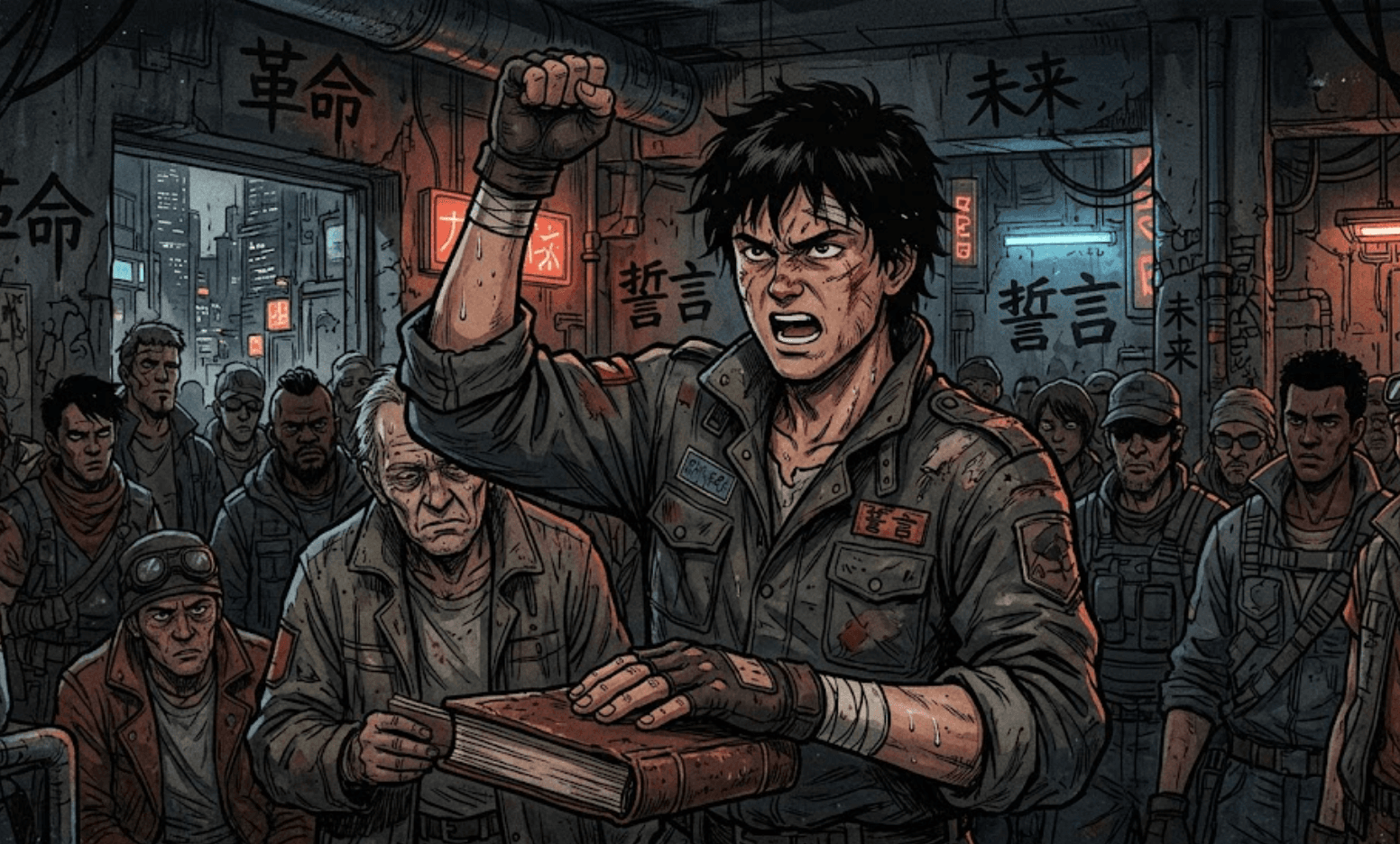
Two layers. One private, one shared. By design, not by policy.
Every session is processed into two distinct graphs. The separation is the reason Oath can make a company legible without making any individual surveillable.
Personal Intelligence Graph
The full session transcript, structured and linked to meetings, projects, OKRs, dates, collaborators. Accessible only by you. Never visible to managers, peers, or executives.
Organisational Context Graph
A processed summary. Specific conversations and verbatim quotes are discarded; substance is retained: which projects are active, what role each person plays, how things are progressing, and which OKRs they connect to.
A Monday-morning recap good enough to replace the standup.
Aggregated, directional, never surveillance. Written at the level a good chief of staff would brief you.
Overall the team is well-aligned. Spartacus is progressing and looks on track for Q3, though the data-pipeline dependency is worth watching. The infrastructure migration is moving more slowly than last week — three team members flagged it as lower priority than expected, which may be worth a check-in on resourcing.
One alignment note: some backend work has come up across a few sessions this week that isn't mapped to an active OKR — worth understanding whether it should be formalised or deprioritised.
One team member's output has been lighter relative to peers over the past two weeks. No specific blockers flagged, but the pattern is worth a conversation.
What the recap does NOT contain: session transcripts, verbatim quotes, or anything that would read as eavesdropping on a person's day. The signal threshold for flagging any individual is a sustained pattern — typically two or more weeks. One quiet day is noise.
Value isn't linear. It compounds with time.
An organisation with 12 months of Oath data has an intelligence asset that cannot be replicated by switching tools.
Sessions are structured but general. Your personal graph begins. The org graph starts with whatever was bootstrapped at setup.
The AI knows your projects, vocabulary, collaborators, and OKRs. Sessions get faster and more specific.
A rich, queryable contribution record. Meaningful alignment signal. Agents can start operating on the context layer.
Living institutional memory. New hires onboard with context. Executives can identify systemic misalignment between effort and strategy.
Clarity on the boundaries.
Anyone can see what projects a colleague is working on and whether it's aligned. No one can see another person's schedule, transcripts, or individual output scores.
The primary user is the IC. Management intelligence is downstream of employees engaging honestly because the product works for them first.
Bad days, slow days, days dominated by invisible work all exist. The AI helps frame them constructively, not extract confessions.
Oath data is a longitudinal contribution record, not a verdict. Treating output signals as immediate grounds for action misunderstands the product.
Start with one 30-minute conversation.
Compound it for a year.
The investment is real. So is the asset it builds: a contribution record, an organisational memory, and the substrate every AI agent in your company will need to be useful.